

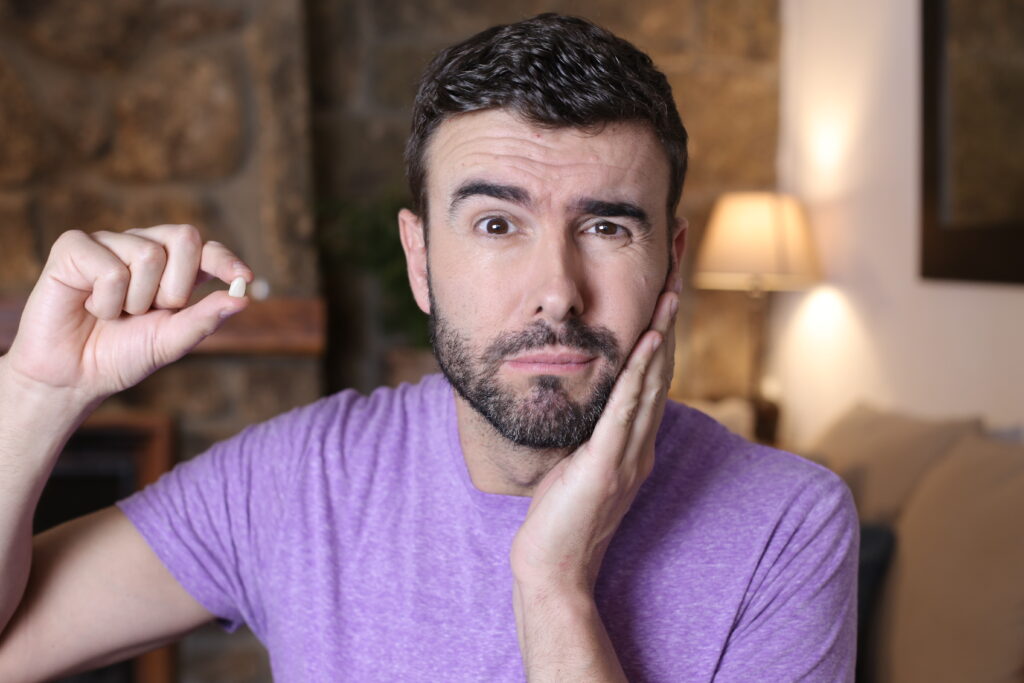
An avulsed tooth, commonly known as a knocked out tooth, is one of the most time-sensitive dental emergencies you can experience. Whether the injury occurs during a sporting event, a fall, or an accidental impact, knowing exactly how to respond in the first few minutes can mean the difference between saving and losing your natural tooth. When a permanent tooth is dislodged completely from its socket, the delicate tissues and blood vessels supporting it are damaged, but the living cells on the root surface can survive for a limited period if handled correctly.
Handle the Tooth with Extreme Care
The physical preservation of the living cells along the root of the tooth is absolutely essential for a successful reimplantation. If you locate the tooth after an injury, pick it up exclusively by the chewing surface, which is the crown. It is crucial to avoid touching the root of the tooth under any circumstances, as manual contact can easily crush and destroy the microscopic periodontal ligament fibers needed for reattachment. If the tooth has collected dirt or debris from the impact, rinse it very softly with cold water or milk for no more than ten seconds. Never scrub the tooth, scrape the root surface, or use harsh soaps or chemicals to clean it.
Keep the Tooth Moist for Transit
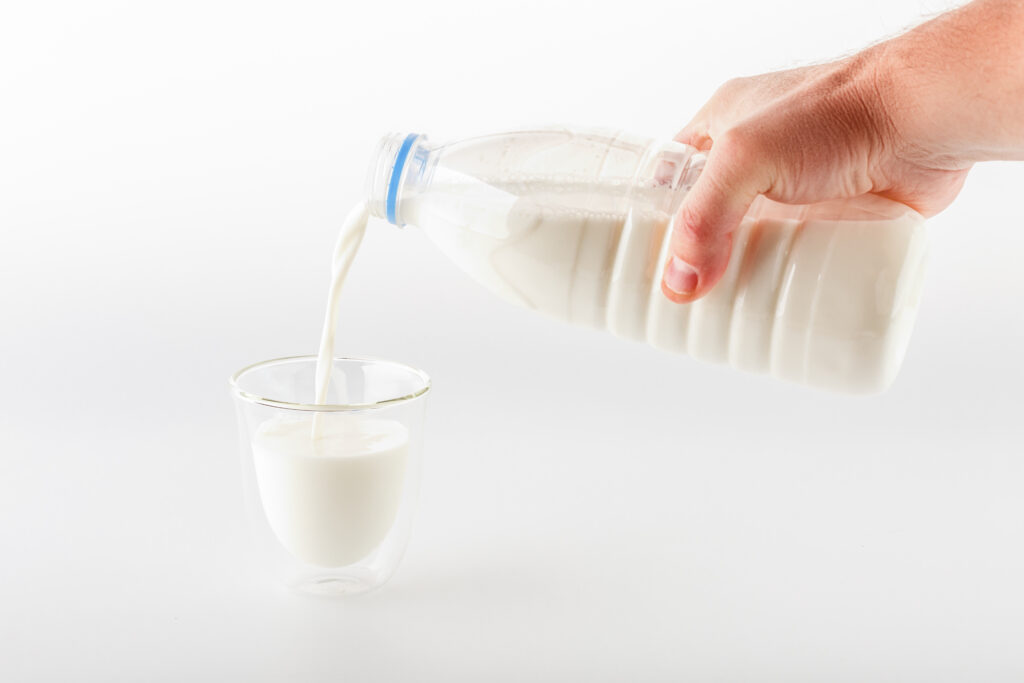
A knocked out tooth must remain damp continuously to keep the root cells alive. If the injured person is mature enough to safely manage it without accidentally swallowing, the ideal option is to gently slip the rinsed tooth right back into its original socket and hold it in place with light pressure. If replanting the tooth immediately is not possible, place it into a small container filled with cold milk or a specialized cell preservation solution available in many first aid kits. Saliva can also serve as a temporary alternative if milk is unavailable, but you should never store or transport the tooth in plain tap water, as the chemical composition of water causes the delicate root cells to rupture and die quickly.
Act Immediately for Professional Assistance
Time is the most critical element when attempting to save an avulsed tooth. Dental professionals generally agree that your chances of a completely successful reimplantation are significantly higher if the tooth is structurally treated and stabilized within thirty to sixty minutes of the initial injury. While you are carefully securing the tooth and managing any local bleeding with clean gauze and direct pressure, have someone call ahead to notify your dental team of the situation. This immediate communication ensures that the clinic is fully prepared to prioritize your arrival and begin treatment the moment you walk through the door.
At Gore Street Dental Care in Perth, the team provides responsive emergency dentistry and patient-focused guidance to protect your smile during unexpected situations. If you are dealing with a sudden dental emergency, require advice regarding a recent oral injury, or want support maintaining your long-term oral health, you can schedule your next visit with our team today.